

Why Your Tuesday and Wednesday Kennels Sit Empty While Your Marketing Spend Chases the Wrong Nights
Most pet hotels have the same problem hiding in plain sight: weekends and holidays are packed, Tuesday through Thursday runs at 40–55% occupancy, and the marketing budget still goes toward chasing peak dates that were already going to sell out. You're paying to fill nights that don't need help while your midweek kennels quietly bleed margin.
Community events are one of the few levers that actually move weekday utilization, but almost nobody runs them as a system. They run them as vibes. A "Yappy Hour" here, a puppy socialization class there, a vaccine clinic with a local vet once because someone knew someone. Fun, sure. But if you asked the owner how many weekday bookings that puppy class produced over the next 90 days, you'd get a shrug.
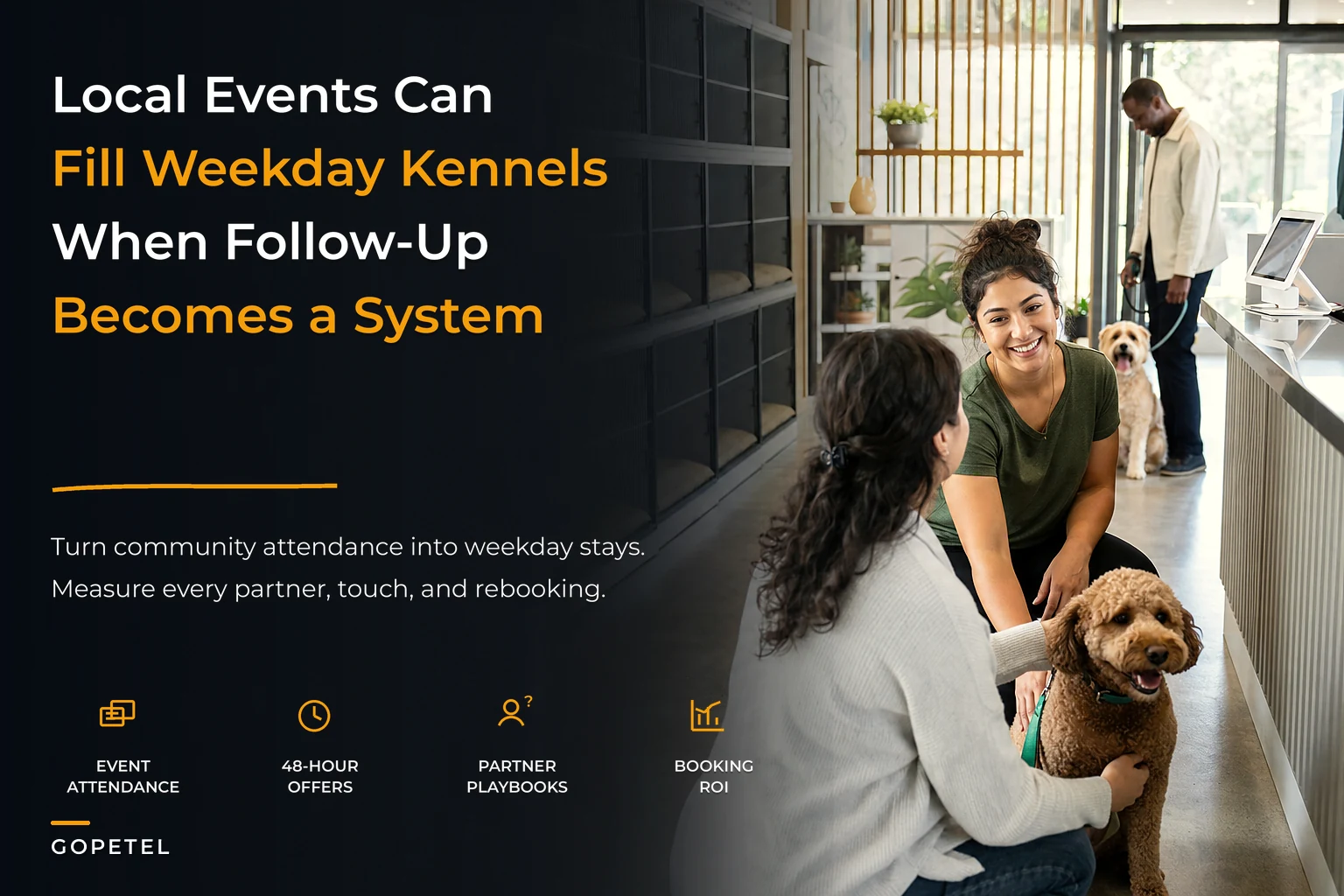
That gap—between hosting an event and turning attendees into repeat weekday guests—is where the real money is. This is the whole point of treating pet hotel community events marketing as an operational funnel instead of a feel-good activity. Below is how the system fits together, where it breaks, and what changes as you grow.
The Core Problem: Events Generate Goodwill, Not Bookings
There's a pattern that shows up over and over. A facility hosts a well-attended event—say 40 dogs and their owners show up for a fall "Bark in the Park" meetup. Everyone has a great time. Photos go on Instagram. And then nothing. No capture of who attended. No follow-up sequence. No offer tied to a slow weekday. Three months later the owner can't tell you if a single boarding night came out of it.
The reason is structural, not lazy. Events sit in the "marketing" bucket in most owners' heads, and marketing gets treated as awareness. But awareness doesn't fill a Wednesday kennel. Conversion fills a Wednesday kennel, and conversion requires knowing exactly who walked through your door, what they want, and a defined path from "attended an event" to "booked a stay."
The businesses that get this right think about events the way a good restaurant thinks about a first-time diner: the meal isn't the goal, the second visit is. Everything about the event exists to earn and engineer that second visit—which, for you, should deliberately land on your softest occupancy days.
What a Real Event-to-Booking Funnel Actually Looks Like
Forget the abstract funnel diagrams. In a pet hotel the funnel has physical touchpoints, and each stage has a job.
Never miss a booking or detail again.
GoPetel simplifies pet hotel operations by managing every reservation and pet profile seamlessly.
- Centralized booking management
- Automated client notifications
- Staff and kennel scheduling
No credit card required
Stage 1 — The event as a capture mechanism. The event's operational purpose is to collect qualified contact info and pet details. Not a fishbowl of business cards. A structured intake: name, pet name, breed, vaccine status, and whether they've boarded with you before. The easiest way is a check-in at the event itself. You're running an event anyway—make signing in the price of admission (free coffee, a treat bag, a raffle entry).
Stage 2 — The immediate offer. The single biggest mistake is waiting until "later" to make an offer. The warm moment is at the event and the 48 hours after it. Your offer should be specific and weekday-weighted: something like a discounted first midweek stay, or a free daycare day valid Tuesday–Thursday. Not "10% off any booking." That just subsidizes the weekend you'd fill anyway.
Stage 3 — The follow-up sequence. A short, timed set of touches over the next two to three weeks: a thank-you with photos, the offer reminder, and a soft nudge that references the specific event. Three touches usually outperform one big blast, and they should taper, not nag.
Stage 4 — The first weekday booking. This is the conversion event you actually measure. Everything upstream is scored against how many first midweek stays it produced.
Stage 5 — The rebooking loop. Once they've boarded once on a weekday, they move into your normal lifecycle and rebooking system. The event funnel's job is done when it hands off a first-time weekday guest to your retention machinery.
The insight most owners miss: the funnel isn't linear awareness → sale. It's awareness → structured capture → weekday-specific offer → measured conversion. Skip the capture or skip the weekday specificity and the whole thing leaks.
Here's the funnel in a simple workflow.
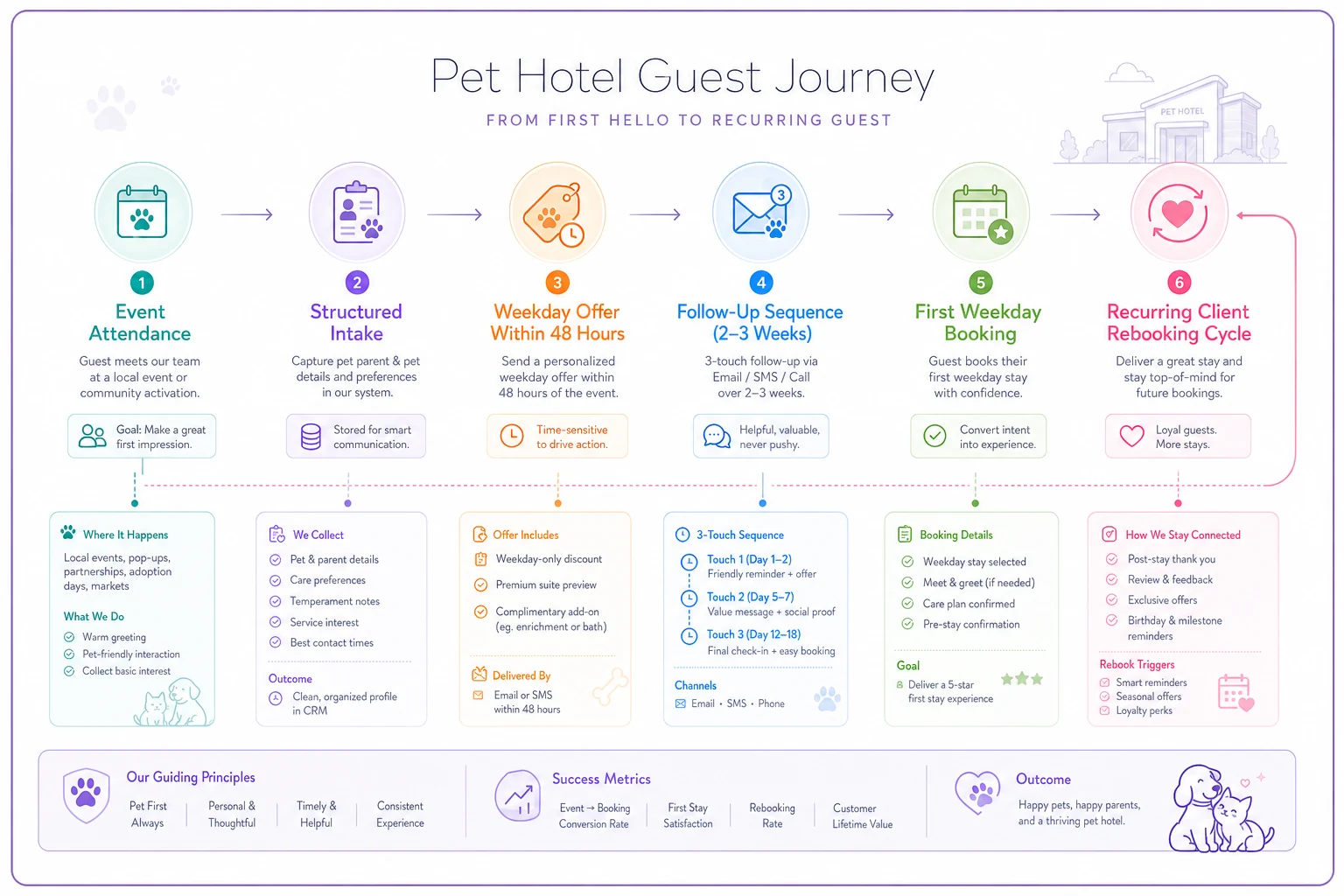
Each stage feeds the next. When one breaks—usually Stage 1 or Stage 2—the whole funnel stalls and you're left with goodwill and no data.
Partner Playbooks: Stop Hosting Alone
Solo events are expensive and cap your reach at your existing audience. The leverage comes from partners who bring their audience to your facility. But partnerships go sideways constantly because nobody defines roles, so the local vet thinks you're handling promotion, you think they're bringing 30 clients, and 6 people show up.
A partner playbook is just a repeatable one-page agreement per partner type. It removes the ambiguity.
| Partner type | What they bring | What you provide | Best event format | Weekday tie-in |
|---|---|---|---|---|
| Local vet / mobile vet | Client email list, credibility, vaccine services | Space, staff, refreshments | Vaccine clinic + tour | Free daycare trial for attendees |
| Groomer (non-competing) | Their client base, add-on service | Venue, cross-promo | "Spa & socialize" day | Discounted midweek boarding + groom bundle |
| Dog trainer | Recurring class attendees | Weekly space rental slot | Ongoing weekday class | Class attendees get daycare rate |
| Rescue / shelter | Community goodwill, foot traffic, local press | Venue, volunteers | Adoption meetup | New adopters get first-stay offer |
| Local pet brand/store | Product samples, co-marketing budget | Hosting, audience | Product launch + demo | Attendee-only weekday package |
The trainer partnership is the sleeper hit. A recurring weekday obedience class does two things at once: it fills your facility on a slow afternoon and seeds a steady stream of owners who already trust your space and are one step away from booking daycare or boarding. That's why recurring beats one-off—each session refills the top of your funnel without a new marketing push.
-
Who owns promotion, and the exact channels each side commits to
-
Minimum attendance each partner is responsible for driving
-
Who handles setup, staffing, and cleanup
-
The specific weekday offer attendees receive
-
How leads captured at the event get split or shared
-
A single point of contact on each side
Give partners a plug-and-play promo asset (copy + image) so they can easily share the event and you don't have to guess their promotion.
Nail those six things and most partnership blowups disappear.
Repeat-Attendee Conversion Rules
Not every attendee deserves the same follow-up, and treating them identically wastes effort and annoys people. The facilities that convert well segment attendees into a few buckets and apply different rules to each.
A practical segmentation:
-
Never-boarded, first event. Highest-value target. Full sequence: thank-you, weekday trial offer, tour invite. Goal is the first midweek stay.
-
Never-boarded, repeat event attendee. They keep showing up but haven't booked. Something's holding them back—price, trust, a bad past experience somewhere else. These get a slightly stronger offer and, ideally, a direct human touch (a call or personal note), because they've signaled interest multiple times and still haven't pulled the trigger.
-
Existing weekend-only client. They already board, but only on peak dates. Don't discount their weekend habit. Nudge them toward a midweek daycare routine instead—totally different offer.
-
Lapsed client at an event. They boarded once and drifted. The event is your re-entry point. A "welcome back" weekday offer often reactivates them.
The rule that matters most: conversion offers should push toward your weakest occupancy days, not your strongest. It sounds obvious written down, but most facilities send a generic "book now" and end up cannibalizing full-price weekend nights they'd have sold anyway. You're not trying to drive more bookings in the abstract—you're trying to shift demand into the valleys.
A second rule worth enforcing: cap how long a lead stays "open." If someone attended three events over four months and never booked despite two targeted offers, they move to a low-touch newsletter list. Chasing them harder isn't the answer; refilling the top of the funnel with new attendees is.
ROI Templates: Proving Events Actually Pay
This is where "we host community events" becomes "our community program produces X weekday nights at Y margin." Without measurement, events are the first thing cut when budgets tighten—and usually they shouldn't be.
Event ROI = (weekday nights generated × avg nightly margin) + (daycare conversions × margin) − (event cost + staff hours + offer discounts)
The trick is attribution. You need to tie a booking back to an event, which is why the structured capture in Stage 1 matters so much. Tag every lead with its source event. When they book, that revenue rolls up to the right event.
A realistic example. A mid-size facility runs a Saturday adoption meetup with a local rescue:
-
Attendees
roughly 55 dogs, 48 unique households
-
Cost
around $600 (staff, refreshments, printed materials, raffle prizes)
-
Offer
free Tuesday–Thursday daycare day + 20% off first midweek boarding
-
Over the next 90 days
14 households used the daycare trial, 9 converted to a paid weekday booking, and 4 of those became regular midweek daycare clients
Nine first weekday stays at an average margin of $30–$45/night plus a handful of daycare days doesn't look huge on paper—maybe $700–$1,100 in directly attributed margin from that single event. But the four recurring daycare clients are the real return. If each comes twice a week and sticks around, that's an ongoing lift that dwarfs the one-time event cost within a couple of months.
ROI templates need to separate the one-time conversion from the recurring value created, or you'll badly undercount your best events. Track these fields per event, every time:
-
Event date, type, and partner
-
Total cost (cash + estimated staff hours)
-
Attendees captured
-
Offers redeemed
-
First weekday bookings attributed (30/60/90 day)
-
Recurring clients created
-
Cost per weekday booking acquired
Once you have three or four events logged this way, patterns jump out fast. Usually one or two formats produce most of the recurring clients, and half your events barely break even. You stop guessing and start running the winners on repeat.
How This Connects to the Rest of Your Operation
An event program doesn't live in a marketing silo—it's wired into staffing, capacity, and your booking flow, and it breaks when those connections get ignored.
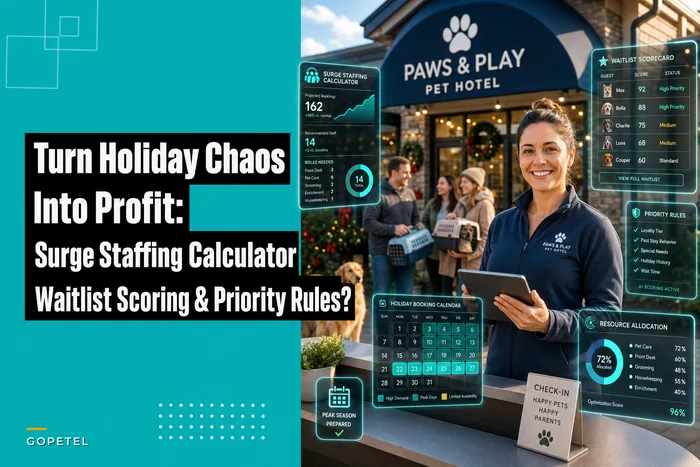
Staffing. Events pull staff off the floor. If you're already tight midweek, a poorly timed event creates a coverage hole. The same discipline you'd apply during peak surges—knowing exactly who's covering what—applies to event days. The thinking in the surge staffing calculator and priority rules translates directly: plan coverage around the event, don't wing it.
Capacity awareness. When events actually work and you get a wave of weekday daycare conversions, your midweek capacity math changes. That's a good problem, but only if you see it coming. Feed converted clients into your occupancy forecasting so a "slow Wednesday" strategy doesn't accidentally overbook once the funnel starts producing.
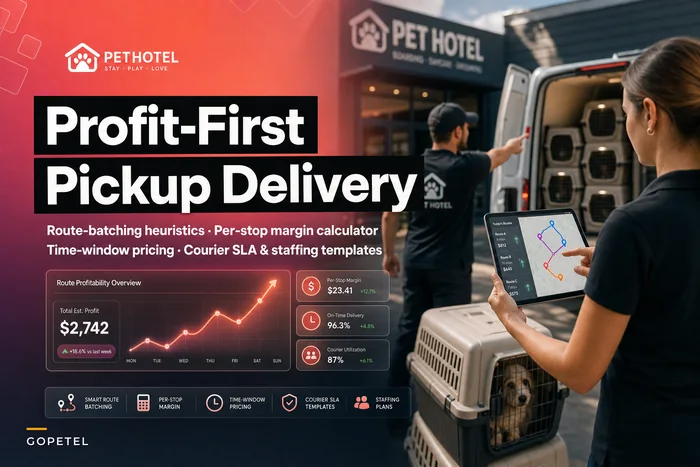
Fulfillment for new clients. New weekday clients from events often need transport help to actually show up midweek—it's the friction that kills otherwise-willing bookings. If you offer pickup and drop-off, the economics in the pickup and delivery playbook matter here, because a free daycare trial that requires a 40-minute round trip from a busy parent isn't going to convert unless you solve the getting-there problem.
The broader point: the event funnel is an input to your existing systems, not a separate thing. Capture feeds your CRM. Conversions feed your occupancy forecast. Recurring clients feed your rebooking loop. When those hand-offs are manual and messy, leads fall through the cracks between the event and the booking—which is exactly where most facilities lose the return.
Where This Quietly Falls Apart at Scale
Running two events a year off a spreadsheet is fine. Running a recurring community program across a full calendar—or across multiple sites—is where the cracks show.
The first thing that breaks is attribution. When you've got a monthly trainer class, quarterly vet clinics, and a rotating set of partner events, and each one dumps sign-ins into a different form or a stack of paper, tying bookings back to their source becomes impossible. You feel like events help but can't prove which ones.
The second is follow-up consistency. A single motivated manager can hand-send follow-up offers after one event. Nobody hand-sends 40 personalized, weekday-weighted, segment-specific follow-ups after every event across a busy calendar. It just doesn't happen, and the sequence quietly degrades into "we'll email them eventually"—which is where conversions die.
The third is coordination across partners. As the program grows, you're juggling promotion commitments, offer terms, and lead-sharing agreements with a half-dozen partners at once. Without a repeatable playbook, every event becomes a one-off negotiation and the overhead eats the return.
This is the point where owners start looking at operational software to hold the funnel together—not because software is magic, but because the capture-tag-sequence-attribute loop is genuinely too much to run by hand at volume. A platform that ties event sign-ins to contact records, automates timed follow-up sequences with the right weekday offer per segment, and rolls booking revenue back to its source event turns "we think events help" into a measured channel. The value isn't the automation for its own sake—it's that the follow-up actually happens every time, and you can finally see which events earn their keep.
When a Community Event Program Makes Sense — and When It Doesn't
There's a version of this that works really well and a version that quietly drains time and money with nothing to show for it. The difference usually comes down to whether the underlying conditions are right.
It makes sense when:
-
You have consistent weekday occupancy below roughly 60% and profitable weekends
-
You're in a market dense enough to draw 20+ households to an event
-
You have (or can build) relationships with non-competing local pet businesses
-
You can commit to a recurring cadence—one-offs rarely pay back
It's a bad idea when:
-
You're already running near capacity across the whole week (fix pricing first, not marketing)
-
You're chronically short-staffed and pulling people to events creates safety gaps on the floor
-
You can't or won't measure attribution—unmeasured events become budget theater
-
Your midweek margin is so thin that discounted trial offers lose money even after conversion
Who should hold off entirely: brand-new facilities still working out core operations. If your check-in process, cleaning turnaround, and staffing aren't dialed in yet, funneling a wave of new clients through a shaky operation just multiplies your problems. Get the floor right, then feed it.
Bringing It Together
Weekday emptiness isn't a demand problem—it's a routing problem. There's plenty of local demand for daycare and midweek boarding; it just isn't finding your soft days on its own. A structured community program is one of the cleanest ways to route that demand where you need it, but only if you run it as a funnel with capture, weekday-specific offers, partner playbooks, conversion rules, and honest ROI tracking behind it.
The facilities that win at pet hotel community events marketing aren't the ones throwing the most fun parties. They're the ones who know that last quarter's trainer class produced eleven midweek daycare regulars, that the vet clinic barely broke even, and that the adoption meetup is worth running twice as often. Treat events as a measured operational channel feeding your weakest occupancy days, wire the follow-up so it actually happens, and the empty Tuesday kennels start filling themselves.
Weekday emptiness isn't a demand problem—it's a routing problem. There's plenty of local demand for daycare and midweek boarding; it just isn't finding your soft days on its own. A structured community program is one of the cleanest ways to route that demand where you need it, but only if you run it as a funnel with capture, weekday-specific offers, partner playbooks, conversion rules, and honest ROI tracking behind it.
The facilities that win at pet hotel community events marketing aren't the ones throwing the most fun parties. They're the ones who know that last quarter's trainer class produced eleven midweek daycare regulars, that the vet clinic barely broke even, and that the adoption meetup is worth running twice as often. Treat events as a measured operational channel feeding your weakest occupancy days, wire the follow-up so it actually happens, and the empty Tuesday kennels start filling themselves.
Ready to optimize your pet hotel operations?
Join hundreds of pet hotels using GoPetel to save time, improve pet care, and increase booking reliability.